

















A UPS static bypass switch (or internal bypass switch) is a critical fail-safe in online UPS systems that instantly switches the connected load to raw mains power if the inverter fails, maintaining uninterrupted power flow without downtime. This ensures 99.999% uptime for enterprise data centers running Dell PowerEdge Gen 16 servers with NVIDIA H100 or B200 GPU clusters, protecting AI workloads and virtualized infrastructure from costly disruptions. For organizations deploying high-availability configurations across finance, healthcare, and big data environments, the static bypass represents an essential layer of redundancy.
What Is a Static Bypass Switch in Online UPS Systems?
A static bypass switch is a solid-state, zero-transfer-time relay integrated into double-conversion online UPS units. It automatically routes utility power directly to the load during inverter faults, overloads, or thermal failures, bypassing the rectifier and inverter circuits entirely. This mechanism prevents total system shutdown and ensures continuous power delivery—critical for high-availability setups like HPE ProLiant DL380 Gen 11 paired with enterprise storage in finance and healthcare data centers. The bypass operates transparently, requiring no manual intervention or system reboot.
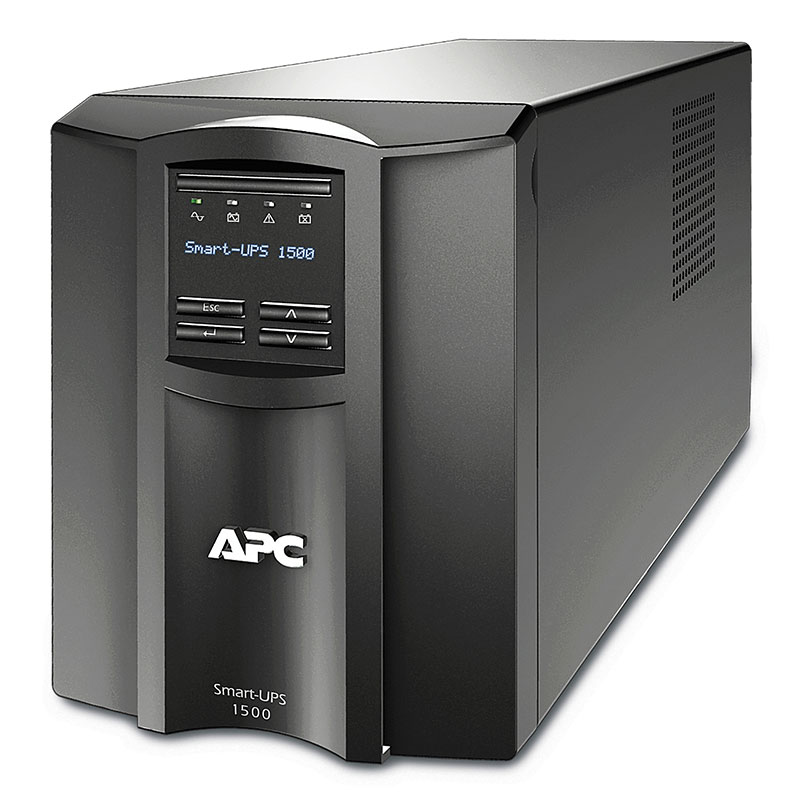
How Does the UPS Internal Bypass Switch Operate During Normal Conditions?
During standard operation, the UPS rectifier converts AC input to DC, which the inverter then converts back to clean, regulated AC power for connected servers and GPUs. The static bypass switch remains on standby, continuously monitoring mains synchronization and inverter health. If the inverter detects faults—such as short circuits, component degradation, or overheating—the thyristor-based static transfer switch activates within 4–8 milliseconds, transferring the load to utility power seamlessly. This sub-cycle switchover ensures Dell PowerEdge R760 and Lenovo ThinkSystem SR670 V3 servers experience zero perceptible interruption, preserving virtualization and cloud computing workloads.
Why Is UPS Static Bypass Critical for Inverter Failure Scenarios?
Common inverter failure triggers include thermal runaway in dense GPU racks (NVIDIA H100, H200, or B200 clusters drawing 700W+ per card), semiconductor degradation, or sustained overload conditions. Without static bypass, these failures would force a blackout lasting 10–20 milliseconds or longer, potentially halting LLM training on Dell PowerEdge XE9680 servers or corrupting data in H3C networked storage arrays. Power continuity via bypass instantly routes the load to mains, preventing cascading failures across AI infrastructure, big data platforms, and enterprise virtualization environments—avoiding millions in downtime costs for data center operators and system integrators.
| Feature | With UPS Static Bypass | Without Static Bypass |
|---|---|---|
| Transfer Time on Inverter Failure | <4ms (zero downtime) | 10–20ms (potential data loss) |
| Uptime for AI/GPU Workloads | 99.999% (five nines) | 99.9% (risk of resets) |
| Compatibility with Dell PowerEdge Gen 16+ | Full (authorized integration) | Limited (manual intervention needed) |
| Cost of Downtime per Minute (H100 Cluster) | Minimal | $10,000–$50,000+ |
What Role Does Static Bypass Play in Data Center Reliability?
Static bypass is foundational to redundant N+1 UPS topologies in enterprise AI infrastructure, enabling seamless failover for HPC workloads running on NVIDIA H800 or B200 accelerators. When combined with WECENT’s high-availability storage solutions—including NAS, SAN, and hybrid platforms from Dell EMC and HPE—the static bypass forms part of an end-to-end resilience architecture. For system integrators and data center operators managing Huawei FusionServer clusters with enterprise storage, this integration ensures fault tolerance across compute, GPU, and storage tiers, eliminating single points of failure in mission-critical deployments.
How Should Organizations Integrate UPS Static Bypass with Enterprise Servers and GPUs?
Begin procurement by pairing online UPS models with integrated static bypass capability to Dell PowerEdge R760, R760xd, or HPE ProLiant DL360/DL380 Gen 11 systems managing GPU-accelerated AI workloads. Verify that the UPS bypass capacity matches or exceeds total rack power consumption—100kW+ loads in dense NVIDIA H100/B200 environments require appropriately rated units. WECENT provides consultation on capacity matching, OEM customization of static transfer switches for H3C and Cisco network integrations, and full installation and maintenance services for virtualization and cloud computing setups. Monitor bypass health via SNMP alerts for early fault detection in big data environments.
Check: UPS Power System
What Are Common UPS Bypass Switch Failures and Prevention Strategies?
UPS bypass switch failures typically stem from mains voltage surges, poor synchronization between utility and inverter outputs, or component wear in systems running continuous high-load cycles (e.g., sustained LLM training on Dell PowerEdge XE9680 clusters). Prevention begins with sourcing original, certified hardware from authorized agents—WECENT supplies Dell, HP, and Huawei UPS models backed by manufacturer warranties and compliance certifications (CE, FCC, RoHS). Implement redundancy through paired UPS units, conduct quarterly load testing, and maintain contracts for preventive maintenance. This approach has proven effective in healthcare and finance deployments, where downtime risks are highest.
Why Choose WECENT for Enterprise UPS Static Bypass Solutions?
WECENT, headquartered in Shenzhen and operating for over eight years as an authorized agent for Dell, Huawei, HP, Lenovo, Cisco, and H3C, specializes in enterprise server and IT infrastructure procurement. The company delivers original hardware with full manufacturer warranties, eliminating gray-market and counterfeit risks critical to data center operations. WECENT’s comprehensive service model—consultation, product selection, system architecture design, installation, configuration, testing, and ongoing technical support—ensures seamless integration of UPS static bypass solutions with your complete GPU and server ecosystem. Whether deploying NVIDIA H100, H200, H800, B100, B200, or B300 accelerators across Dell PowerEdge, HPE ProLiant, or Lenovo platforms, WECENT provides end-to-end support with competitive pricing and fast-response technical teams. The company also offers OEM and white-label customization for wholesalers and system integrators entering new markets with tailored infrastructure solutions.
WECENT Expert Views
“Over eight years as an authorized distributor of Dell, Huawei, HP, and Lenovo infrastructure, we’ve deployed UPS static bypass solutions protecting NVIDIA H100 and B200 GPU clusters in data centers across Europe, Africa, Asia, and South America. The static bypass is non-negotiable for enterprises running continuous AI workloads—it delivers sub-4-millisecond failover that prevents data loss and maintains the 99.999% uptime SLAs your business demands. We source only original, certified hardware with full manufacturer support, pair it with our architectural expertise, and back every deployment with comprehensive maintenance contracts. Whether you’re a system integrator, wholesale distributor, or enterprise IT team, we provide capacity-matched solutions, OEM customization for H3C and Cisco environments, and lifecycle support that eliminates downtime risks. Let us help you build the resilient infrastructure your AI and big data platforms require.”
Conclusion
The UPS static bypass switch is the unsung hero of enterprise power reliability, delivering instantaneous failover during inverter faults and ensuring zero-downtime operations for mission-critical AI, HPC, and virtualization workloads. Its integration with modern Dell PowerEdge Gen 16–17 servers, HPE ProLiant systems, and NVIDIA H100/B200 GPU clusters creates a resilience foundation that protects organizations from catastrophic downtime costs. For IT procurement managers, system integrators, and data center operators seeking to deploy reliable infrastructure, prioritizing static bypass capability in UPS procurement is essential. Partner with WECENT, an eight-year veteran in enterprise IT infrastructure with authorized partnerships across Dell, Huawei, HP, Lenovo, Cisco, and H3C, to source original hardware, achieve seamless integration, and maintain unmatched uptime across your entire computing and storage ecosystem.
FAQs
What is the difference between static and electromechanical UPS bypass?
Static bypass uses solid-state thyristors for sub-4-millisecond transfer time (zero downtime); electromechanical bypass relies on mechanical relays, requiring 10–20+ milliseconds for switchover. Static technology is superior for AI servers and GPU clusters where any power interruption risks data corruption. WECENT recommends static bypass for all Dell PowerEdge and HPE ProLiant deployments.
Can UPS static bypass handle high-power GPU clusters like H200 or B200?
Yes. Properly rated online UPS models from Dell, HPE, and other authorized brands support 100kW+ loads, ensuring continuous power delivery to dense NVIDIA H100, H200, H800, B100, B200, and B300 clusters. WECENT provides capacity assessment and matching to ensure your UPS static bypass handles peak rack power draw without faults or limitations.
How does UPS inverter failure automatically trigger static bypass?
The UPS inverter continuously self-monitors for faults—short circuits, overheating, component degradation, or sustained overload. Upon detecting any fault condition, the inverter signals the static transfer switch to activate, routing the load to mains power within 4–8 milliseconds. This happens automatically without manual intervention, preserving uptime for virtualization and big data environments.
Is UPS static bypass standard in enterprise online UPS systems?
Yes. All modern double-conversion online UPS models from major manufacturers—Dell, HPE, Huawei, and others—include integrated static bypass as a standard fail-safe feature. WECENT supplies only original units with this capability, ensuring seamless integration with your enterprise infrastructure and storage platforms.
What warranties and support does WECENT provide for UPS static bypass products?
All WECENT UPS solutions carry manufacturer warranties backed by Dell, HPE, Huawei, or other authorized brands. Additionally, WECENT offers comprehensive lifecycle support—consultation, installation, configuration, testing, maintenance, and 24/7 technical assistance—ensuring your static bypass systems remain reliable and compliant throughout their operational life.