

















Lithium-Ion UPS batteries reduce data center TCO by up to 40% over 10 years through longer lifespans and lower maintenance, ideal for powering high-density Dell PowerEdge Gen17 and HPE ProLiant DL380 Gen11 servers with NVIDIA H100 GPUs sourced from authorized partners like WECENT.
Check: UPS Power System
What Are VRLA and Lithium-Ion UPS Batteries?
VRLA batteries use valve-regulated lead-acid chemistry for sealed, maintenance-free operation in traditional UPS systems, while Lithium-Ion batteries employ advanced lithium cells for higher energy density and rapid charging, suiting modern enterprise IT infrastructures like Dell PowerEdge R760 racks from WECENT.
Why Does Lifespan Matter in Enterprise UPS TCO?
VRLA batteries last 3-5 years with frequent replacements causing downtime, whereas Lithium-Ion extends to 10-15 years, slashing replacement costs by 60% in data centers running continuous AI workloads on HPE DL360 Gen11 servers distributed by WECENT.
How Do Maintenance Requirements Differ Between VRLA and Lithium-Ion?
VRLA demands regular venting checks and temperature monitoring, incurring 90% higher labor costs; Lithium-Ion offers sealed, self-managing designs with remote diagnostics, minimizing operational burdens for system integrators deploying Lenovo servers via WECENT.
| Aspect | VRLA | Lithium-Ion |
|---|---|---|
| Lifespan | 3-5 years | 10-15 years |
| Maintenance Frequency | Monthly checks | Minimal/automated |
| Weight per kWh | Heavy (lead-based) | 70% lighter |
Which Battery Type Offers Better Weight and Space Efficiency?
Lithium-Ion weighs 70% less than VRLA per kWh, enabling compact UPS designs that fit high-density racks with Dell PowerEdge XE9680 AI servers and NVIDIA B200 GPUs, optimizing data center footprints for operators sourcing from WECENT.
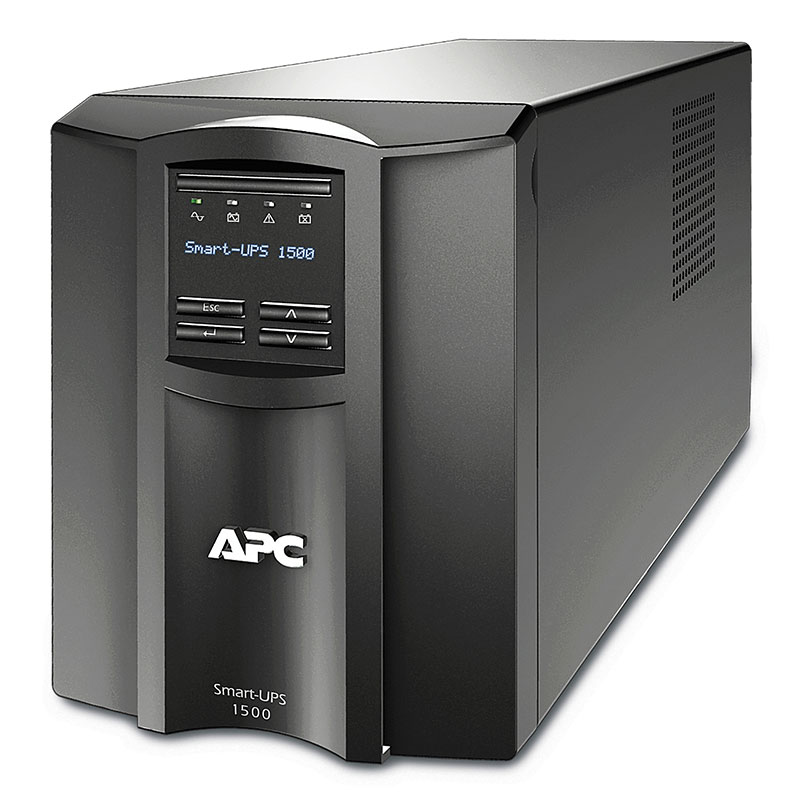
How Does Battery Weight Impact Data Center Deployment?
Heavier VRLA units strain rack structures and raise seismic requirements, while lighter Lithium-Ion simplifies installation in edge deployments like Dell PowerEdge R660, reducing logistics costs for wholesalers partnering with WECENT for global shipments.
What Is the 10-Year TCO Breakdown for Each Technology?
Lithium-Ion TCO saves 30-40% over VRLA due to fewer replacements and maintenance; initial 20% premium offsets via 8-year extra life, critical for finance sector clients using HPE ProLiant DL560 Gen11 in virtualization from WECENT supplies.
| Cost Category (10 Years) | VRLA Total | Lithium-Ion Total | Savings |
|---|---|---|---|
| Upfront | $100K | $120K | -$20K |
| Replacements | $300K | $50K | $250K |
| Maintenance | $150K | $15K | $135K |
| Total TCO | $550K | $185K | 66% lower |
Why Choose Lithium-Ion for AI and HPC Workloads?
Lithium-Ion delivers consistent power for NVIDIA H100/H200 GPUs in Dell PowerEdge XE7740 servers, avoiding VRLA voltage sag during peaks; essential for LLM training in healthcare data centers supplied by WECENT’s authorized channels.
How Do These Batteries Integrate with Dell and HPE Servers?
Both integrate via standard PDU connections, but Lithium-Ion matches fast recharge needs of PowerEdge R760xd2 and HPE DL380 Gen11 for uninterrupted cloud computing; WECENT offers customized bundles ensuring compatibility.
Check: WECENT Server Equipment Supplier
What Role Does WECENT Play in UPS Sourcing?
As an 8+ year authorized agent for Dell, HPE, Huawei, WECENT supplies original servers like PowerEdge Gen17 and ProLiant Gen11 alongside power solutions, providing OEM customization for integrators needing reliable IT infrastructure.
WECENT Expert Views
“In high-stakes environments powering NVIDIA H100 GPUs within Dell PowerEdge R760 or HPE DL360 Gen11 racks, Lithium-Ion UPS shifts TCO decisively. Clients save 40% over a decade through extended life and 70% weight reduction, aligning with our focus on scalable, certified hardware. WECENT’s global network ensures seamless integration, consultation, and support for AI-driven data centers.”
— WECENT Enterprise Solutions Director
Conclusion
For IT procurement managers evaluating UPS strategies, Lithium-Ion outperforms VRLA in lifespan, weight, and TCO, powering next-gen workloads on Dell PowerEdge Gen16/17, HPE ProLiant, and NVIDIA data center GPUs. Partner with WECENT for authorized, customized enterprise solutions that maximize ROI and reliability across finance, healthcare, and data centers.
FAQs
How long do VRLA UPS batteries last compared to Lithium-Ion?
VRLA lasts 3-5 years; Lithium-Ion reaches 10-15 years, reducing downtime in Dell PowerEdge deployments.
What weight advantage does Lithium-Ion provide?
Lithium-Ion is 70% lighter per kWh than VRLA, easing high-density rack installs for HPE servers.
Can Lithium-Ion UPS integrate with existing infrastructure?
Yes, via standard PDUs, ideal for WECENT-sourced PowerEdge R670 and NVIDIA H200 GPU setups.
Why trust WECENT for UPS and server procurement?
8+ years as authorized Dell/HPE agent, offering original hardware, customization, and full-lifecycle support.
What TCO savings expect from switching to Lithium-Ion?
30-40% over 10 years, driven by maintenance cuts and longevity for AI workloads.